What is Sedation Dentistry?
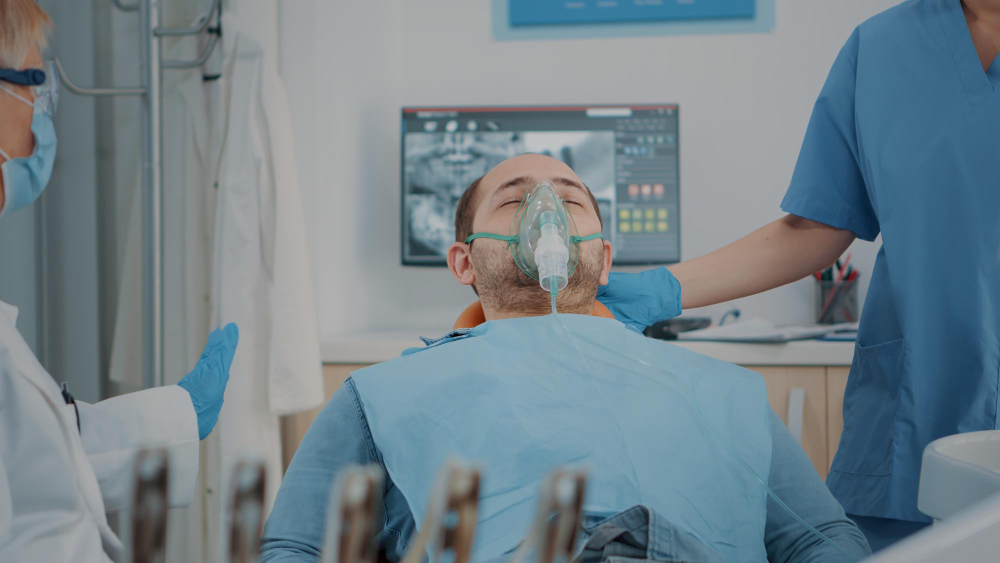
Sedation dentistry uses safe medicines to help you relax during dental visits. Many people feel nervous about seeing the dentist. However, sedation options for dental anxiety can make your visit calm and comfortable. With sedation, you may not remember the procedure, and you will feel less pain. This approach is often called painless dental procedures or relaxing dental experience. Dentists use sedation to help patients feel at ease, even during complex treatments.
Who Can Benefit from Sedation Dentistry?
Many people can benefit from sedation dentistry. For example, if you have dental fear or anxiety, sedation can help. Children and adults who have trouble sitting still may also find it useful. In addition, people with a strong gag reflex or sensitive teeth can feel more comfortable. Some patients need long or complex dental work. For them, sedation makes the process easier. Even if you have special needs or medical conditions, sedation dentistry may be an option. Always talk to your dentist to see if it is right for you.
Types of Sedation Used in Dentistry
There are several types of sedation used in dentistry. Each type offers different levels of relaxation. Your dentist will help you choose the best option for your needs. Here are the most common types:
How Sedation Dentistry Works: The Procedure
First, your dentist will review your health history. Then, they will explain your sedation options. On the day of your visit, you may need to avoid eating or drinking for a few hours. If you choose laughing gas, you will wear a mask and breathe normally. For oral sedation, you take a pill before arriving. With IV sedation, a small needle is placed in your arm. Throughout the procedure, your dentist will monitor you closely. Afterward, you may need someone to drive you home, especially if you had oral or IV sedation.
Sedation Dentistry Safety and Side Effects
According to the American Dental Association, sedation dentistry is safe when performed by trained professionals. Dentists follow strict guidelines to protect your health. However, like any medical procedure, there can be side effects. Most are mild and go away quickly. Common side effects include:
Serious problems are rare, especially when you share your full health history. Always let your dentist know about any medicines you take or allergies you have. For extra peace of mind, you can search for “dental sedation safety” or “sedation dentistry near me” to find qualified providers.
Preparing for a Sedation Dentistry Appointment
Before your appointment, your dentist will give you clear instructions. For example, you may need to avoid food or drink for several hours. Wear comfortable clothes and arrange for a friend or family member to drive you home. Bring a list of your medicines and allergies. If you have questions, ask your dental team before the visit. This helps you feel more confident and ready for your relaxing dental experience.
Frequently Asked Questions about Sedation Dentistry
Tips for a Stress-Free Dental Visit
Even if you choose sedation, there are other ways to feel calm at the dentist. Try these tips for a comfortable dental care experience:
In summary, sedation dentistry can help you overcome dental fear and enjoy a painless dental procedure. For more information, consult a qualified dentist at Little Giggles to discuss if sedation dentistry is right for you.