What Is a Cracked Tooth?
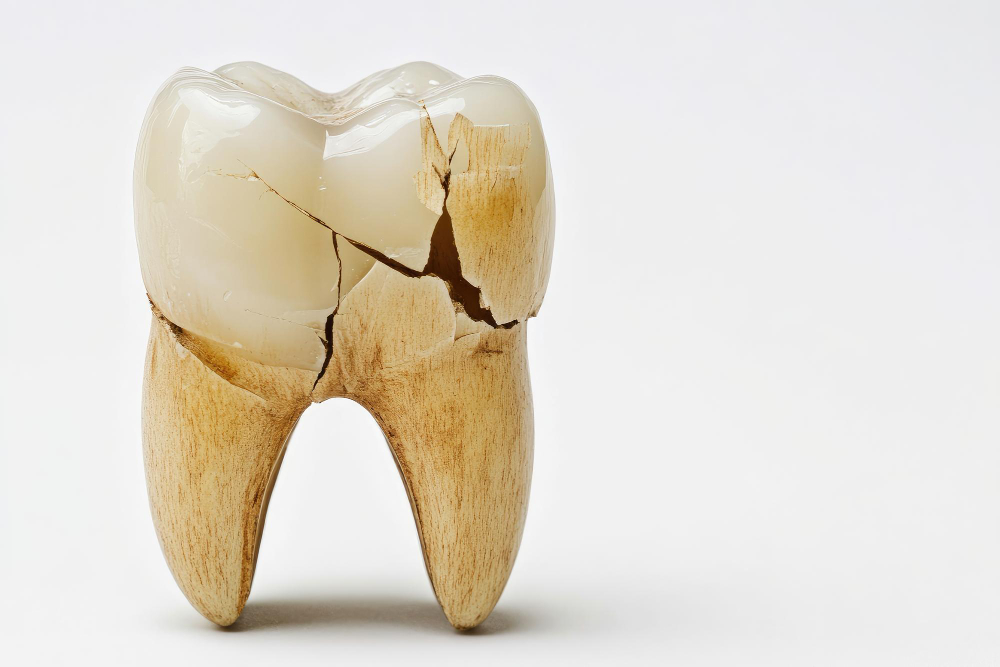
A cracked tooth happens when a tooth breaks or splits. Sometimes, the crack is small and hard to see. Other times, it can be deep and painful. Because a cracked tooth can lead to serious dental complications, it is important to know the risks. Early care helps prevent bigger problems.
Common Causes of Cracked Teeth
Many things can cause a cracked tooth. For example, biting hard foods or ice can break a tooth. Sometimes, accidents or falls hurt your teeth. Grinding your teeth at night also puts extra pressure on them. In addition, large fillings or old dental work may weaken teeth. Age can play a role, too, as teeth get weaker over time.
Main Complications of a Cracked Tooth
Even a small crack can cause big problems. Let’s look at the main dental complications you should watch for.
Tooth Infection and Abscess
First, a crack can let germs into the tooth. This may cause an infection. If not treated, an abscess (a pocket of pus) can form. According to the American Dental Association, tooth infection from a crack can spread quickly. This may lead to swelling, pain, and even fever.
Tooth Loss
Sometimes, a cracked tooth cannot be saved. If the crack goes deep, the tooth may break apart. In these cases, the dentist may need to remove the tooth. Tooth loss can make chewing harder and affect your smile.
Spread of Infection to Other Areas
In some cases, infection from a cracked tooth can spread. It may reach the gums, jaw, or even other parts of the body. The CDC warns that untreated dental infections can become serious and affect your overall health.
Chronic Pain and Sensitivity
Many people with cracked teeth feel pain or sensitivity. Hot, cold, or sweet foods may cause sharp pain. Sometimes, the pain comes and goes. Chronic pain can make eating and drinking less enjoyable.
Difficulty Chewing and Eating
Because of pain or weakness, chewing can become hard. You might avoid using the cracked tooth. Over time, this can affect your diet and nutrition. For example, you may stop eating crunchy fruits or vegetables.
Signs and Symptoms of Complications
It is important to notice signs of dental complications early. Watch for these symptoms:
If you notice any of these, see a dentist soon. Early care can prevent worse problems.
Diagnosis and When to See a Dentist
Sometimes, cracks are hard to see. Dentists use special lights, X-rays, or dyes to find them. If you feel pain, swelling, or see a crack, do not wait. Visit your dentist right away. Quick action can stop dental complications from getting worse.
Treatment Options for Complications
Treatment depends on how bad the crack is. Your dentist may suggest:
Each treatment helps prevent further cracked tooth risks and keeps your mouth healthy.
Prevention Tips to Avoid Further Issues
Although not all cracks can be prevented, you can lower your risk. Try these tips:
With these steps, you can help prevent cracked tooth problems and protect your smile.
Conclusion
In summary, the complications of a cracked tooth can be serious. They include infection, pain, and even tooth loss. However, early care and good habits can help. If you think you have a cracked tooth or notice any symptoms, consult your dentist for advice at Little Giggles. Quick treatment can keep your teeth and gums healthy.